Upgrade Your Living Area: Vital Details Regarding Home Renovation Work for Each House Owner
Residents commonly search for ways to improve their living spaces by using renovation services. These projects can range starting with kitchen improvements to complete home renovations. Understanding the options available is essential for choosing intelligently. Moreover, one must consider real-world factors including financial planning and choosing the right builder. As householders start this endeavor, they may find themselves facing unforeseen difficulties. Achieving a successful makeover requires meticulous preparation and execution. What should be done subsequently?
Understanding the Different Types of House Improvement Projects
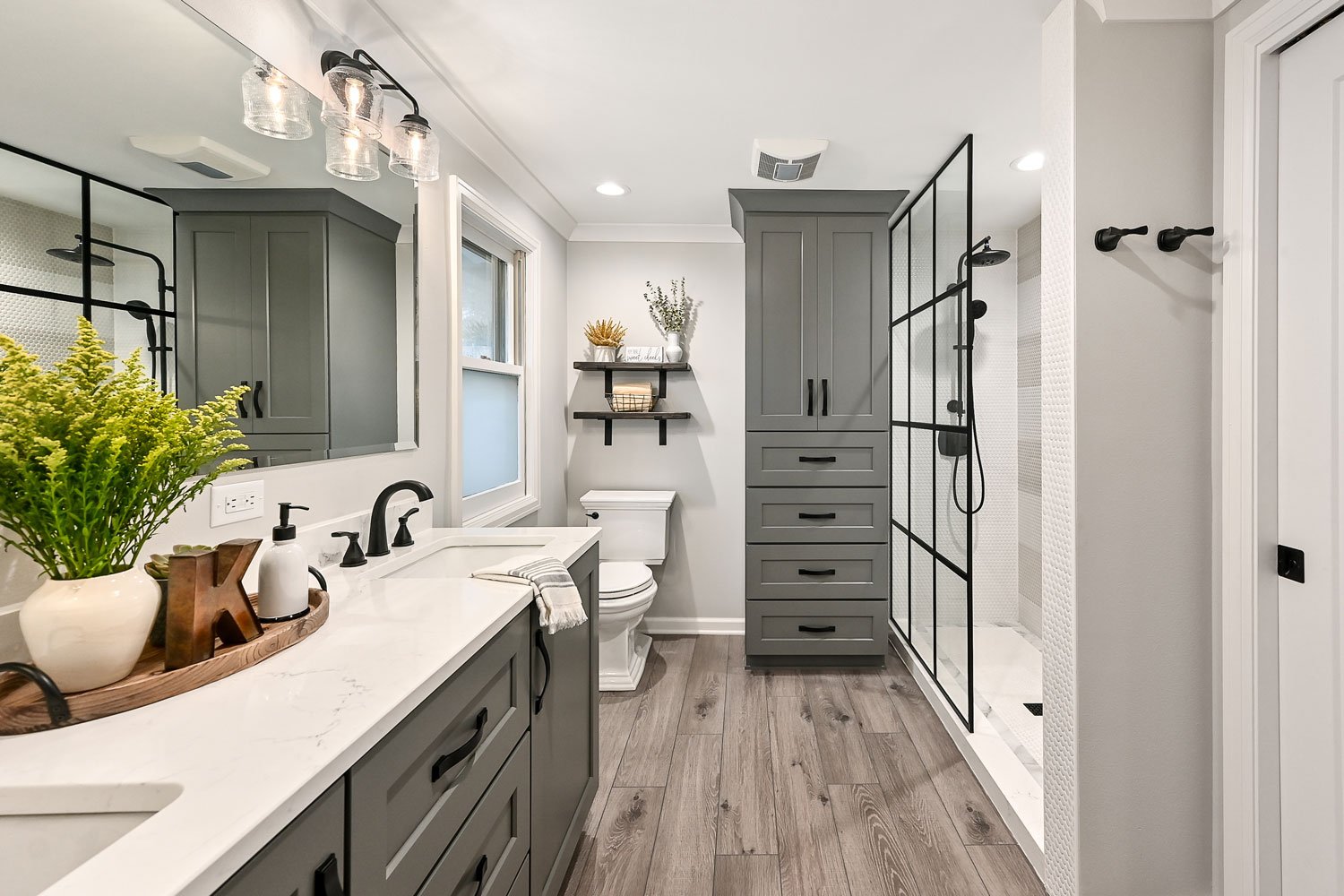
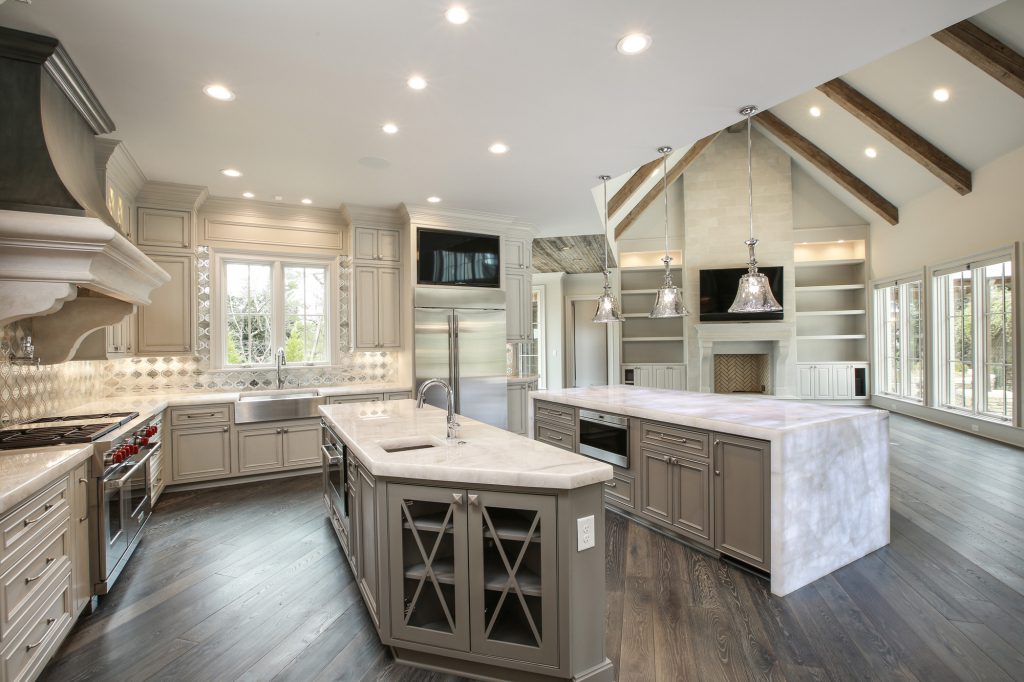
As householders look to improve their living spaces, they often applicable information encounter many different types of services designed for specific preferences and preferences. These projects are generally grouped into a few distinct groups, each addressing specific aspects of residential enhancement. Renovating the kitchen involves modernizing fixtures, storage units, and layouts to enhance functionality and aesthetics. Renovating the bathroom usually includes upgrading fixtures, the ceramic work, and organizational units for greater ease and visual flair.
Whole-home remodeling encompasses extensive modifications to the entire house, often including structural alterations to maximize the area and movement. External improvement work, on the other hand, focus on boosting the property's street view, handling the exterior walls, roofing, and the garden design. Moreover, niche projects including converting the cellar and attic conversions allow homeowners to maximize neglected parts of the home. Every renovation category delivers specific perks, letting residents pick services that align with their vision for their residence. Knowing these variations is vital for making informed decisions during the renovation process.
Setting a Realistic Budget for Your Remodeling Project
How can homeowners guarantee their home upgrades are kept economically sound? Setting a practical budget is vital. It is advisable for homeowners to begin by evaluating their financial capacity, including savings and potential financing options. This initial step helps establish how much can be allocated for the updating project without jeopardizing other monetary duties.
Next, homeowners must look into the financial requirements of their intended changes, taking into account materials, labor, and unexpected costs that frequently occur. Making an exhaustive list of needs helps with identifying must-haves versus nice-to-haves, enabling modifications if the finances are strained.
It is prudent to set aside an emergency fund, typically around 10-20% of the total budget, to account for surprise expenditures. Periodically examining and tweaking the budget throughout the remodeling process can further assist in keeping finances in check. Ultimately, a well-planned budget not only guarantees project viability and makes the whole updating experience better for those living in the home.
Selecting the Appropriate Contractor for Your Needs.
Selecting the right contractor has a major influence on how well a renovation turns out. Homeowners should begin by conducting thorough research, looking for suggestions from acquaintances, relatives, or web feedback. It’s vital to verify credentials, like licenses, insurance, and bonds, to verify their standing.
When prospective builders are located, they should seek detailed cost breakdowns and timeframes, facilitating well-grounded side-by-side evaluations. Meeting with them offers a look at their manner of communicating and their professional conduct, which are crucial for working together effectively.
In addition, looking at completed jobs through galleries or recommendations can reveal a contractor's quality of workmanship. Property owners must also ask about guarantees or assurances, which shows the professional's belief in their output.
Finally, picking a builder whose approach fits the property owner's ideas, cost plan, and timeframe creates a better renovation journey, ensuring the work fulfills requirements and successfully updates the home's interior.
Planning and Designing Your Ideal Space.
As homeowners envision their ideal spaces, careful planning and thoughtful design are crucial elements of a triumphant renovation effort. The beginning stage requires reviewing existing necessities and future desires, which permits a comprehensive grasp of the room's intended function. Owners must take into account practicality, visual appeal, and their individual taste, ensuring that the design reflects their distinctive choices.
Subsequently, developing a comprehensive budget is essential. This budget should cover supplies, labor, and potential unforeseen expenses. Engaging with design professionals can provide valuable insights, aiding in maximizing the area while sticking to budgetary constraints.
Integrating components like natural light, spacious designs, and eco-friendly supplies can elevate the living environment. Lastly, seeing the project via sketches or digital renderings can aid in refining ideas prior to construction. When handling the initial design phase deliberately, homeowners can create an inviting, efficient space suited to their way of life.
Understanding Regulations and Permits in Residential Projects
Grasping the intricacies of permits and rules can be daunting for homeowners starting on a remodeling project. Every city or county maintains distinct regulations that govern what can be done during renovations, typically guided by zoning laws, construction standards, and safety standards. Homeowners must familiarize themselves with local regulations to prevent expensive penalties or construction hold-ups.
In most cases, getting permits is mandatory for significant alterations, such as modifying load-bearing elements or new wiring installations. This process frequently requires submitting blueprints for approval and could involve check-ups at different phases.
Hiring an experienced builder can simplify this process, as they are usually well-versed in local regulations and can aid in filing necessary forms. It is important for homeowners to communicate regularly with the city's regulatory body to ensure adherence throughout the project. By understanding and maneuvering through these requirements, homeowners can achieve their remodeling goals and maintaining compliance with the law in their renovations.
Common Queries
What is the Duration of a Standard Home Renovation?
A standard home renovation generally requires between three to six months, based on the size of the job, scale of the house, and supply chain status. More involved renovations might need extra time for completion.
What are typical errors to avoid when renovating?
Typical pitfalls when renovating a home are things like failing to budget properly, neglecting permits, overlooking timelines, poor communication with the construction team, and failing to think about long-term functionality. Awareness of these pitfalls often results in a more efficient, more positive renovation outcome.
How should I go about choosing the best supplies for the job?
Picking the best materials involves evaluating how long they will last, the look and feel, and financial limits. Investigating available choices, talking to specialists, and factoring in how much care they require will significantly help in making informed decisions, ensuring the project aligns your needs and preferences.
Is it possible to stay in my house during renovations?
Yes, one can live on the premises while work is ongoing, but it might cause disruption. Careful planning, effective coordination with the renovation team, and setting aside certain zones for daily use will reduce the inconvenience throughout the project.
What guarantees should I look for from remodeling contractors?
You should anticipate receiving warranties covering workmanship, materials, and structural components, often covering a period of one to ten years. You must carefully check the fine print and details alongside your builders to clearly grasp what is covered and what is excluded.